Having a good understanding of how wills are used, how probate works and what other documents are needed to protect yourself and loved ones is key to creating an effective estate plan, explains the article “Understanding probate helps when drafting will” from The News Enterprise.
A last will and testament expresses wishes for property distribution after death. It’s different from a living will, which formalizes choices for end-of-life decisions. The last will and testament also includes provisions for care of minor children, disabled dependents, and sometimes, for animal companions.
The will does not become effective until after death. However, before death, it is a useful tool in helping family members understand your goals and wishes, if you are ever incapacitated by illness or injury.
The will has roles for specific people. The “testator or testatrix” is the person creating the will. “Beneficiaries” are heirs receiving assets after the testator has died. The “personal representative” is the person who oversees the estate, ensuring that directions in the will are followed.
If there is no will, the court will appoint someone to manage the estate, usually referred to as the “administrator or curator.” There is no guarantee the court will appoint a family member or relative, even if there are willing and qualified candidates in the family. Having a will precludes a court appointing a stranger to make serious decisions about a treasured possession and the future of your loved ones.
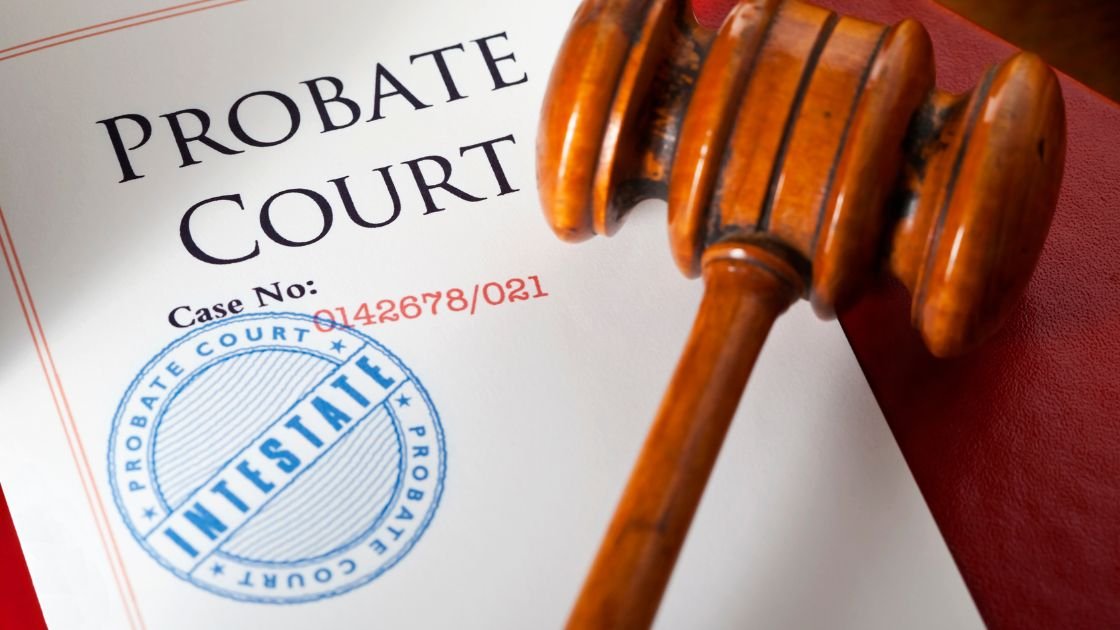
A will is usually not filed with the court until after the testator dies and the executor takes the will to the court in the county where the testator lived to open a probate case. If the person owned real estate in other counties or states, probate must take place in all other such locations. The will is recorded by the county clerk’s office and becomes part of the public record for anyone to see.
Assets with named beneficiaries, like life insurance proceeds, retirement funds, and property owned jointly are distributed to beneficiaries outside of probate. However, any property owned solely by the decedent is part of the probate action and is vulnerable to creditors and anyone who wishes to make a claim against the estate.
The best way to protect your family and your assets is to have a complete estate plan that includes a will and a trust and a thorough review of how assets are titled so they can, if possible, go directly to beneficiaries and not be subject to probate.
Reference: The News Enterprise (Aug. 17, 2021) “Understanding probate helps when drafting will”