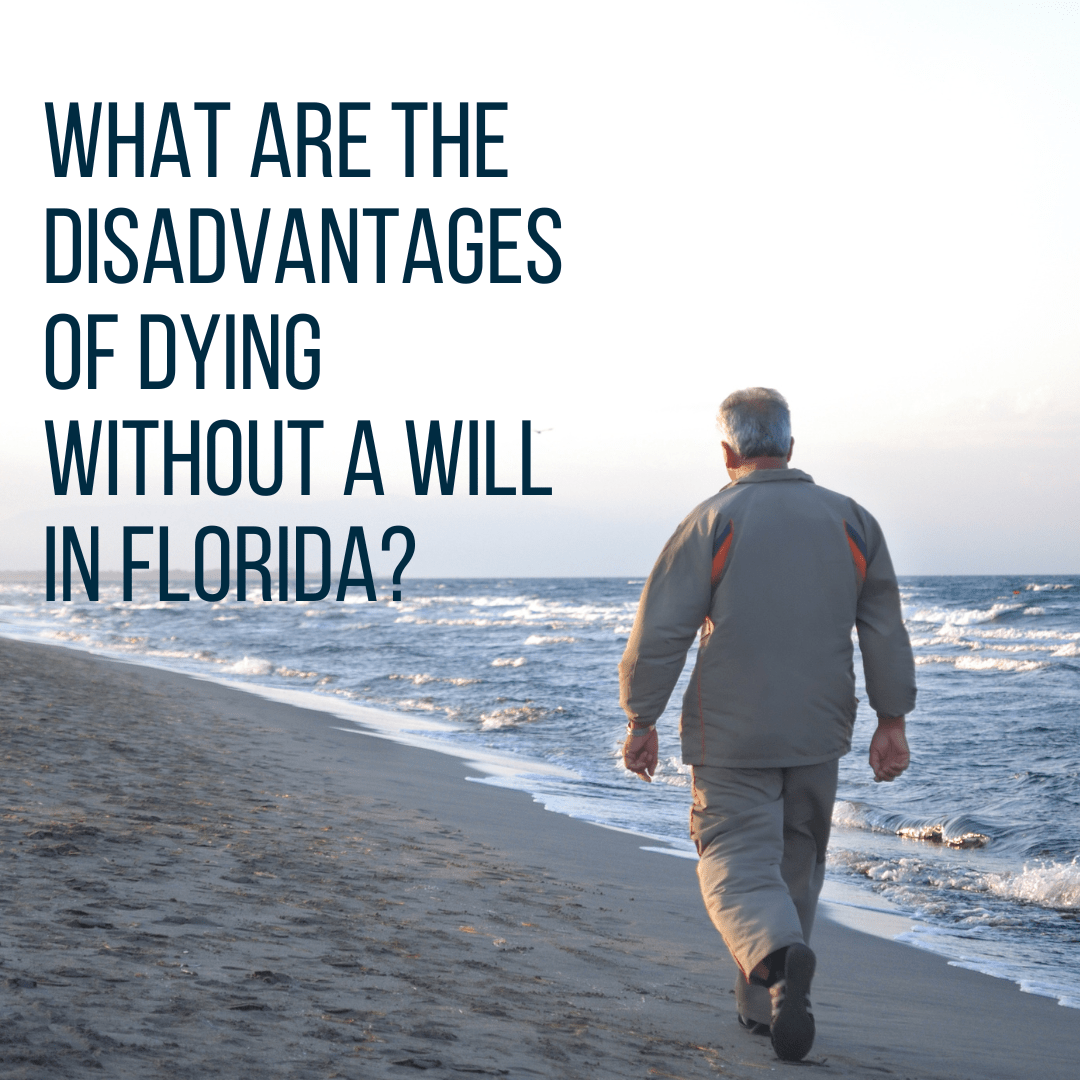
Why are more people dying without a will in Florida? A new survey reveals fewer Americans are having wills prepared despite the dramatic increase in people having wills and trusts created when the pandemic was at its peak. Maybe it was because Americans were forced to remain in their homes and had more time to think, says an article from USA Today, “Facing mortality, more Americans wrote wills during the pandemic. Now, they’re opting out.”
Everyone should have an estate plan, especially parents with minor children or homeowners. Parents who die without creating a will leave their children at the mercy of a court to decide who will raise them and how they will be financially supported.
A last will and testament is just one part of an estate plan, which is created to outline your wishes for what happens to assets after you die and what happens to you while you are living.
Families facing significant healthcare decisions, for example, are better equipped to make decisions if wishes for end-of-life care have been incorporated into the correct legal estate planning documents. In fact, without proper planning, your family may not be allowed to be involved with your medical decisions. Depending on your jurisdiction, you’ll need a Healthcare Power of Attorney, Living Will, Advance Directive and HIPAA Release.
Estate planning can be overwhelming, which makes the guidance of an experienced estate planning attorney more important. Probate experts say using an online service to create a will and other estate planning documents is risky and could lead to larger problems when the documents are executed.
Most estate planning attorneys have reviewed online wills in which a spouse disinherited the surviving spouse, children in blended families have been disinherited and more. The cost of undoing the problems created by online wills, especially if the court declares the will invalid, is far higher than having a will properly prepared in the first place.
Wills and trusts are used to distribute property when you die. If there is no will, the court steps in, making decisions based on the laws of your state. Probate laws vary from state to state, and it’s always a guessing game to know who will get what.
For residents of New York State, for instance, if someone dies with no will, their spouse inherits the first $50,000 of their estate plus half of the balance, and the rest is distributed between the children. In Florida, the spouse inherits the entire estate. This may not be what you had in mind, but if you don’t have a will, it won’t matter—the state’s laws will decide.
An experienced estate planning attorney will guide you through the process step-by-step, making it one less task on your to-do list. The peace of mind from knowing you’ve protected yourself and your loved ones makes this a worthwhile task. Book your call today to make sure you’re protecting your loved ones by not dying without a will in Florida.
Reference: USA Today (April 3, 2024) “Facing mortality, more Americans wrote wills during the pandemic. Now, they’re opting out”