Making wishes clear to family members is never enough to satisfy legal standards, according to a recent article, “Preparation is essential part of estate plan” from The News-Enterprise. Quite the opposite occurs when family members refuse to follow verbal requests, especially when personal grievances come to the surface during times of grief.
A second misconception concerns the spouse or children being able to step in and take action for a loved one solely based on the family relationship.
Many parents have children who would make poor agents, so many don’t name their children to act on their behalf. Even if you want your spouse or child to act on your behalf, you have to name them in the proper legal documents.
A third frequent misconception is that documents can be created when needed. Not so! Documents like Power of Attorney, Health Care Power of Attorney, Living Will and others must be created well in advance. An incapacitated person cannot sign legal documents, so if no planning has been done, the family will have to petition the court to name a guardian—an expensive, time-consuming and complicated process.
Every adult should have three basic documents to make up their estate plan while they are in good health: a Health Care Power of Attorney, a Durable Power of Attorney and a Last Will and Testament.
The Health Care Power of Attorney gives another person the right to make healthcare decisions for you if you are unable to do so. It also gives another person the right to access protected health care information, including medical and health insurance records. It may also be used to authorize organ and/or tissue donation and set limitations for donation. Finally, the document may direct end-of-life decisions regarding artificial life support.
The Durable Power of Attorney allows another person to handle legal and financial matters. In Florida, it is effective upon signing. Without correctly executed Powers of Attorney, the family will need to apply for guardianship.
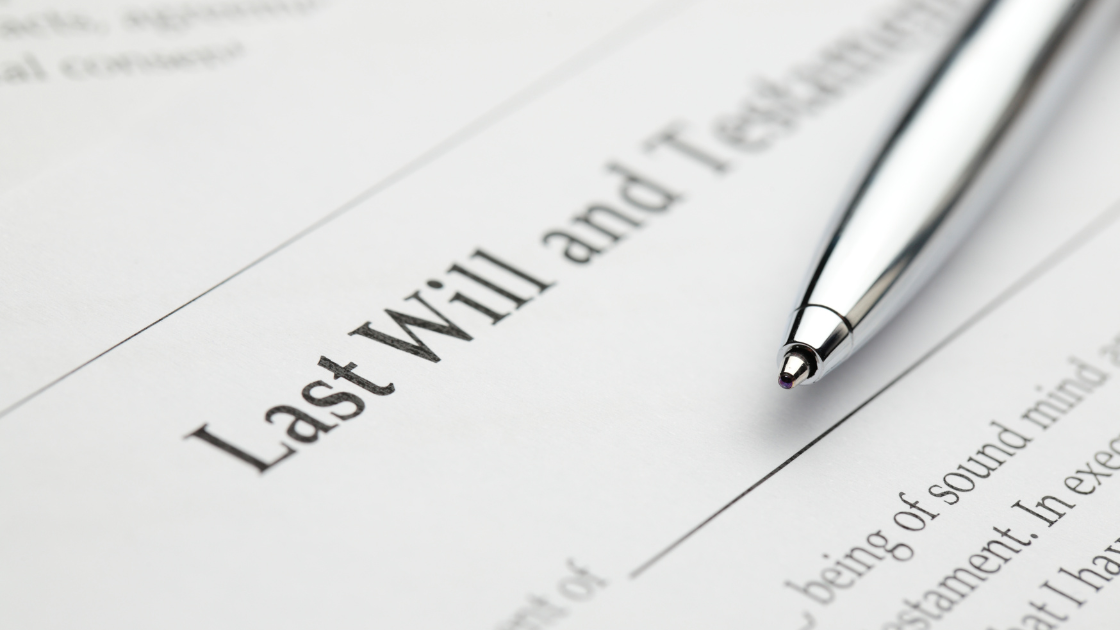
The Last Will and Testament determines who should receive any specific property and how your property is to be divided and distributed. Wills are only effective upon death, so any property in the will continues to be yours until death. Wills are also used to name the executor who will be responsible for administering the estate. It can also be used to set up additional protections for disabled beneficiaries, minor children, and others who are not good with finances.
Speak with an experienced estate planning attorney to be certain to have these essential documents to prepare for the times when life doesn’t go as expected. Preparation is key to protecting yourself and those you love.
Carol L. Grant, Esquire, your Davie, Florida Attorney is ready to help. Call us at (954) 404-8274.
Reference: The News-Enterprise (May 13, 2023) “Preparation is essential part of estate plan”